Why We Shouldn’t Keep Urinary Incontinence a Secret
Urinary incontinence is a common condition affecting millions of people worldwide, particularly older adults. Although it becomes more prevalent with age, it can affect people at different stages of life, both women and men.
Unfortunately, many people feel embarrassed to talk about this condition, which can lead to social isolation, low mood and even depression. However, it is a medical issue, not something to be ashamed of. With appropriate treatment and support, symptoms can often be effectively managed or alleviated.
It is important to remember that the earlier we seek help, the better the chances of improving quality of life.
What Is Urinary Incontinence?
Urinary incontinence is the involuntary leakage of urine that a person cannot fully control. It can vary in severity, ranging from a few drops to the complete emptying of the bladder.
The Most Common Types of Urinary Incontinence:
- Mixed Urinary Incontinence – a combination of two or more types of incontinence, such as stress and urge incontinence.
- Stress Urinary Incontinence – occurs when urine leaks during activities such as coughing, sneezing, laughing or physical exercise. It is particularly common in women after childbirth or during menopause.
- Urge Urinary Incontinence (Overactive Bladder) – involves a sudden, intense urge to urinate that is difficult to control.
- Overflow Urinary Incontinence – occurs when the bladder does not empty completely, causing urine to leak gradually. It is often associated with an enlarged prostate in men.
Why Does Urinary Incontinence Become More Common With Age?
Urinary incontinence is not an inevitable part of ageing, but it is often associated with changes in the body that occur with age, such as:
- weakened pelvic floor muscles;
- hormonal changes, particularly in women;
- enlarged prostate in men;
- neurological conditions (such as stroke, Parkinson’s disease and Alzheimer’s disease);
- diabetes and obesity;
- chronic constipation;
- use of certain medications (e.g. diuretics and sedatives).
Important: Urinary incontinence can have many different causes, so it is always advisable to consult a doctor before turning to temporary solutions.
What Can Help with Urinary Incontinence?
1. Consulting a Doctor
A urologist, gynaecologist or general practitioner can recommend appropriate tests (such as a urinalysis, bladder ultrasound or urodynamic testing) and determine the most suitable treatment. Pelvic floor physiotherapy can also be helpful and is an increasingly popular approach to managing urinary incontinence.
2. Pelvic Floor Muscle Exercises
The pelvic floor muscles, commonly known as the Kegel muscles, support the bladder, uterus and bowel. When these muscles become weakened, it can lead to difficulties controlling urination.
How to Perform These Exercises?
- Sit or lie down in a comfortable position.
- Tighten your pelvic floor muscles as if trying to stop the flow of urine.
- Hold the contraction for 5 seconds, then relax for 5 seconds.
- Repeat 10–15 times, several times a day.
Regular exercise helps strengthen the pelvic floor muscles and may lead to noticeable improvements within a few weeks.
3. Lifestyle Changes
- Stay properly hydrated – limiting fluid intake can make symptoms worse.
- Reduce coffee, alcohol and fizzy drinks – these can irritate the bladder.
- Maintain a healthy weight – excess weight puts additional pressure on the bladder.
- Prevent constipation – it can negatively affect the pelvic floor muscles.
- Establish a regular toilet routine – this can help train the bladder.
Products That Help Manage Urinary Incontinence
Modern incontinence products are discreet and comfortable, providing reliable protection against leaks and unpleasant odours.
A wide range of products is available, including:
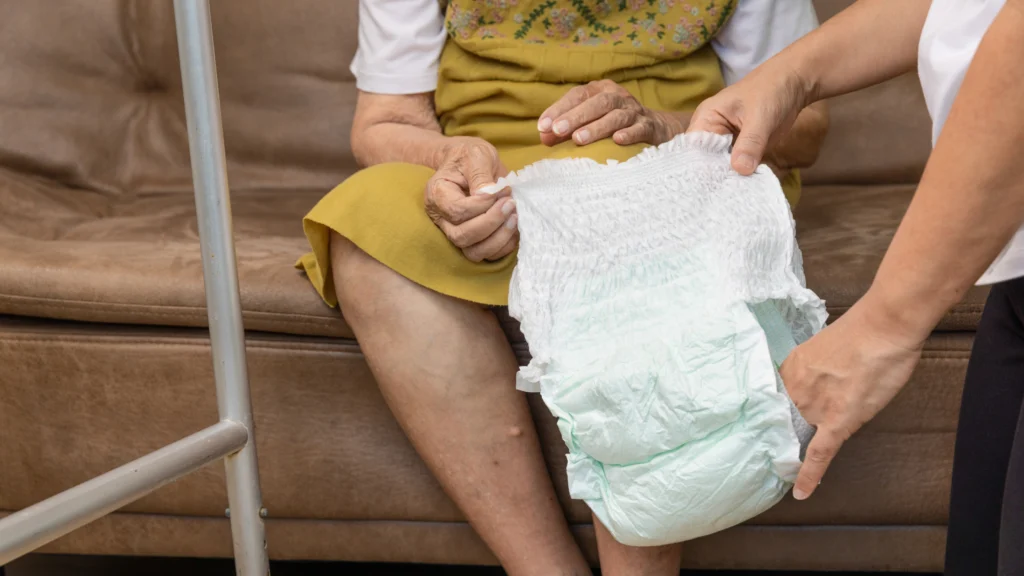
- Absorbent underwear for adults – suitable for active and independent individuals.
- All-in-one incontinence briefs with adhesive tabs – designed for people with limited mobility or those who are bedridden.
- Urinary incontinence pads – lightweight and discreet, ideal for everyday use.
- Disposable and waterproof bed pads – help protect mattresses and bedding.
Choosing the right product helps ensure comfort, hygiene and confidence for both seniors and their caregivers.
Skin Care and Support
Skin exposed to moisture requires special care and protection.
- Apply barrier creams and emollients after each change of incontinence product.
- Avoid regular soaps – use gentle cleansing foams or skin care wipes instead.
- Allow the skin to breathe – whenever possible, leave the area uncovered for a few minutes after changing the product.
Practical Advice for Caregivers
Caring for a senior with urinary incontinence requires understanding, patience and good organisation.
Here are some practical tips:
- Create a changing schedule – for example, every 4–6 hours or after each episode of urination.
- Respect privacy and dignity – communicate calmly and with empathy.
- Protect beds and furniture – protective bed pads make cleaning easier and help keep surfaces dry.
- Keep track of symptoms – note the frequency of leaks and any skin irritation, as this information can be useful during medical appointments.
- Remember to look after yourself – caregivers also need rest and support.
Urinary Incontinence Treatment – What Might a Doctor Recommend?
Treatment options depend on the underlying cause and may include:
- pelvic floor rehabilitation;
- medication to calm an overactive bladder or improve muscle function;
- electrical stimulation or biofeedback therapy;
- surgical procedures (e.g. urethral sling surgery for severe stress urinary incontinence).
Urinary Incontinence and Its Emotional Impact
The emotional impact should not be overlooked. Feelings of embarrassment, anxiety about leaving the house and avoiding social situations can lead to isolation and loneliness.
This is why family support and open communication are so important. It is essential to show that the condition can be managed and that there is no need to feel ashamed or avoid talking about it.
Summary
Urinary incontinence is a common condition, but one that can often be managed effectively.
It does not have to take away the joy of life. With appropriate treatment, absorbent products and proper personal care, it is possible to feel clean, dry and confident every day.