Stroke Rehabilitation – When to Start and How to Prepare Your Home?
Stroke rehabilitation should begin as early as possible – often while the patient is still in hospital, as soon as their condition has stabilised. The first exercises usually involve changing positions, preventing pressure sores and performing simple passive movements to help prevent muscle stiffness and loss of mobility. Returning home is therefore not the beginning of rehabilitation, but a continuation of the process, which should be maintained without interruption.
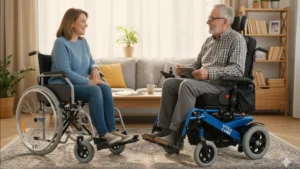
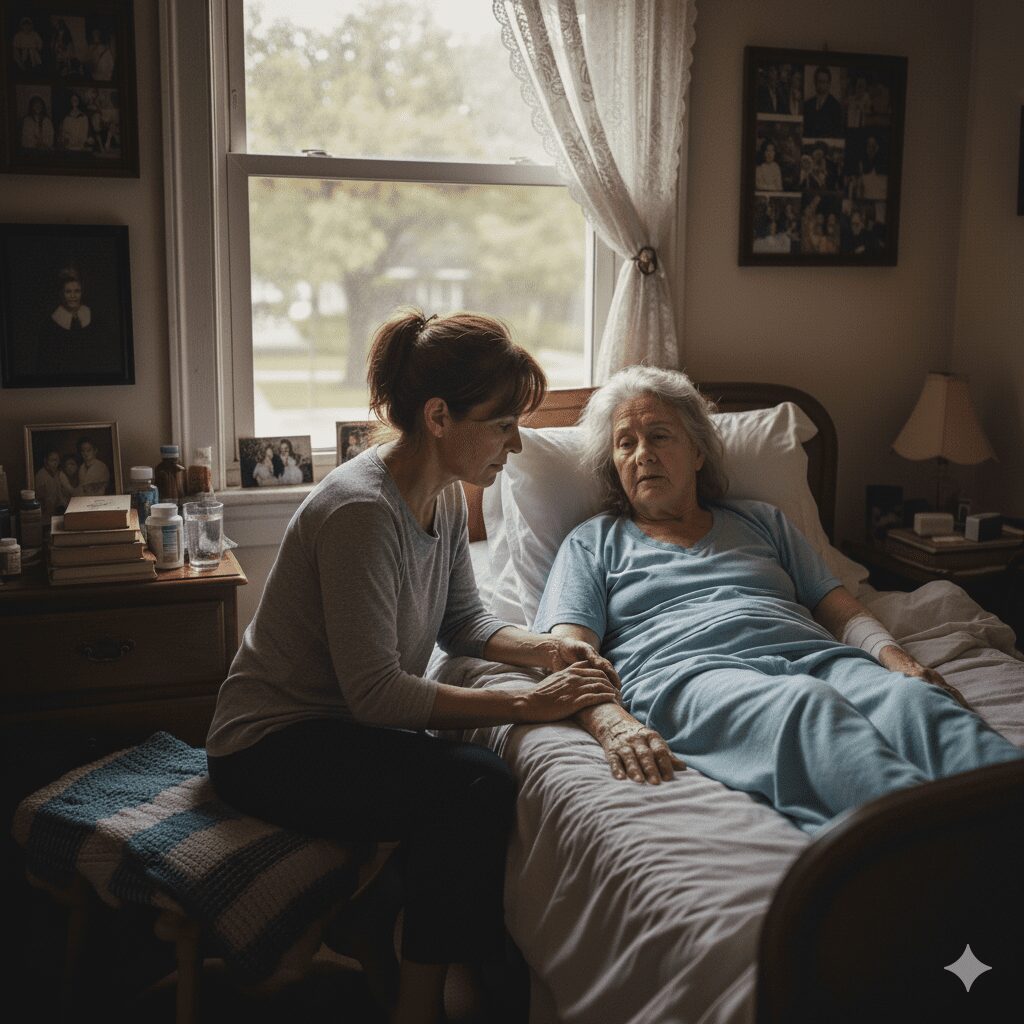
For caregivers of stroke survivors, creating a safe environment and choosing the right equipment are essential. Our caregiver’s guide explains what equipment is essential during the first months of home rehabilitation.
What Is a Stroke and What Are Its Consequences?
A stroke is a sudden medical event in which the blood supply to part of the brain is interrupted (ischaemic stroke) or a blood vessel ruptures (haemorrhagic stroke). As a result, nerve cells in the affected area die, leading to the loss of functions controlled by that part of the brain.
For someone who has suffered a stroke, the experience can be devastating. The most common challenges they face include:
- Paralysis or weakness (paresis): Weakness or paralysis affecting one side of the body (arm, leg or face). This can make simple everyday activities, such as standing up, walking or eating, extremely challenging.
- Speech and language disorders (aphasia): Difficulties understanding spoken language and/or expressing themselves. This can lead to frustration and social isolation.
- Balance and coordination problems: Unsteady walking and difficulty maintaining an upright position, which increases the risk of falls.
- Cognitive and emotional changes: Slowed thinking, memory problems, fatigue, mood swings, tearfulness or apathy.
Bed, Mattress and Wheelchair – Essential Equipment for the First Months of Rehabilitation
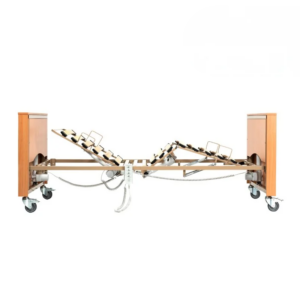
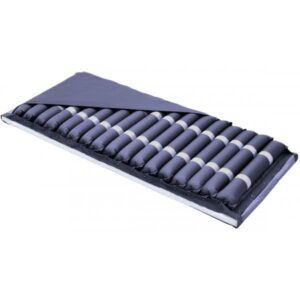
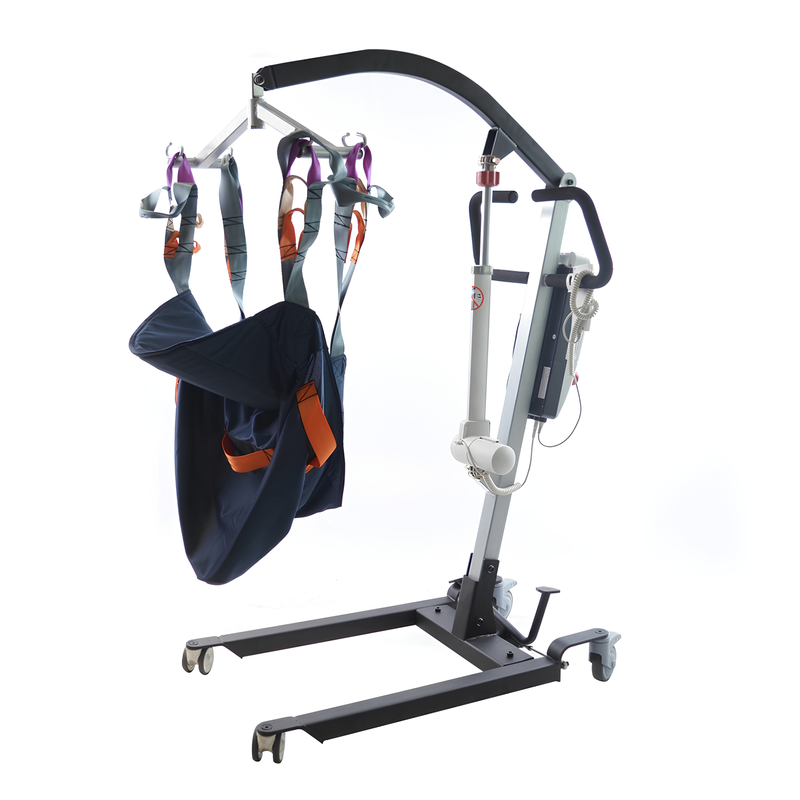
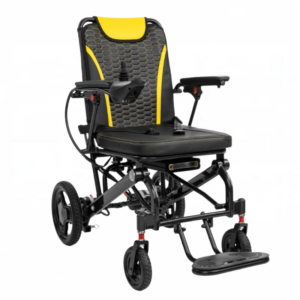
The equipment worth having at home when caring for someone who has suffered a stroke serves two main purposes: ensuring the patient’s safety and comfort, while also making the rehabilitation process easier and more effective. Essential equipment includes a rehabilitation bed, an anti-decubitus mattress, a patient lift and a wheelchair (electric or active).
How to Support a Patient with Standing Up and Walking?
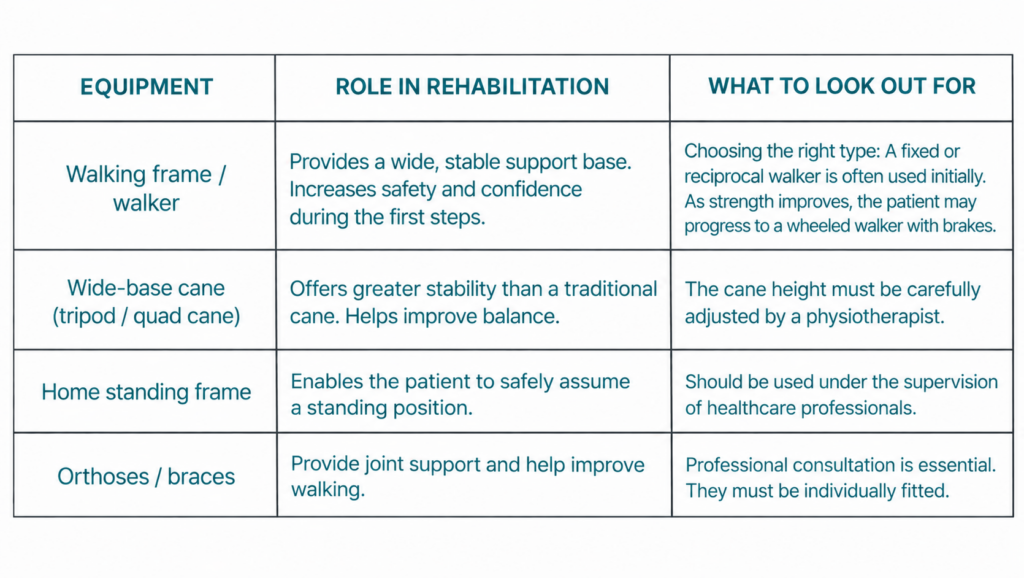
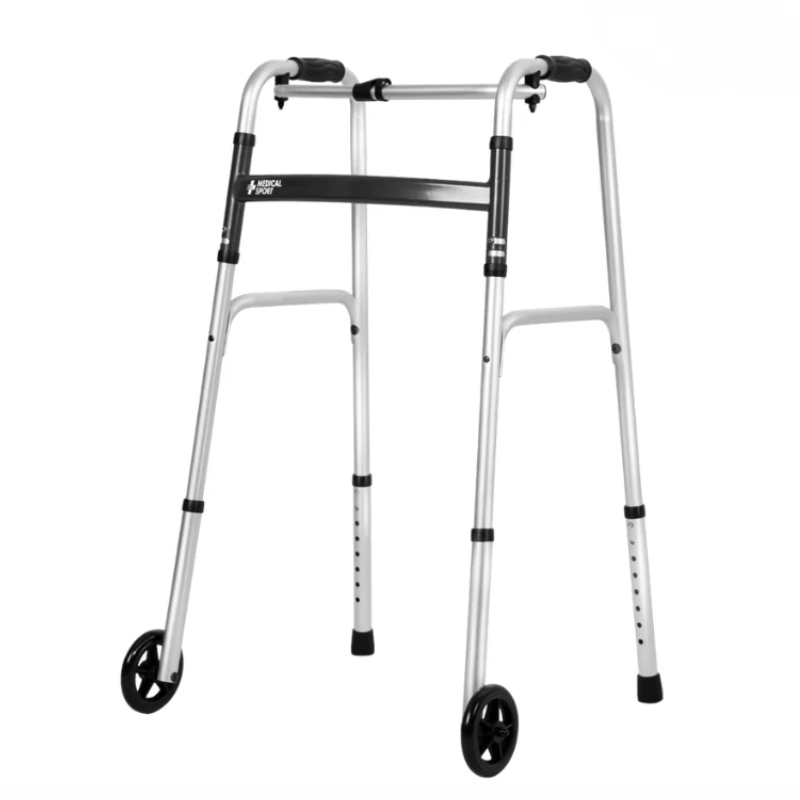
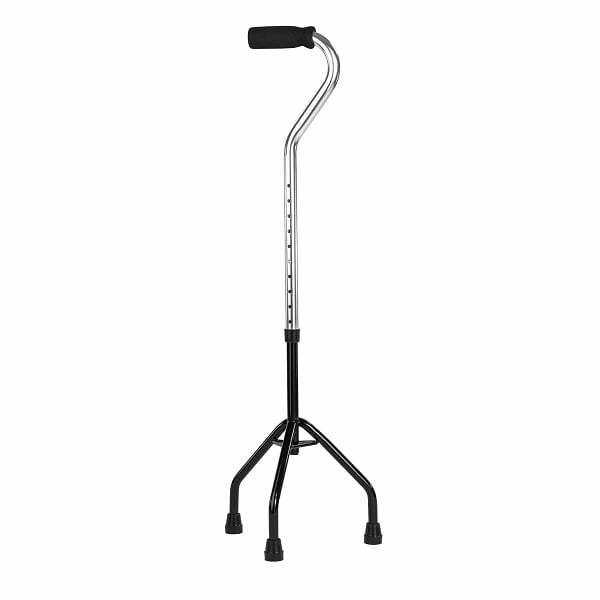
When a patient begins trying to stand up and walk, orthopaedic aids and rehabilitation accessories become essential. Early mobilisation after a stroke is crucial: it helps prevent muscle atrophy, joint mobility restrictions and blood clots, while also improving circulation and respiratory function. The right equipment provides a sense of security, reduces the risk of falls and allows the patient to gradually increase walking distance and duration.
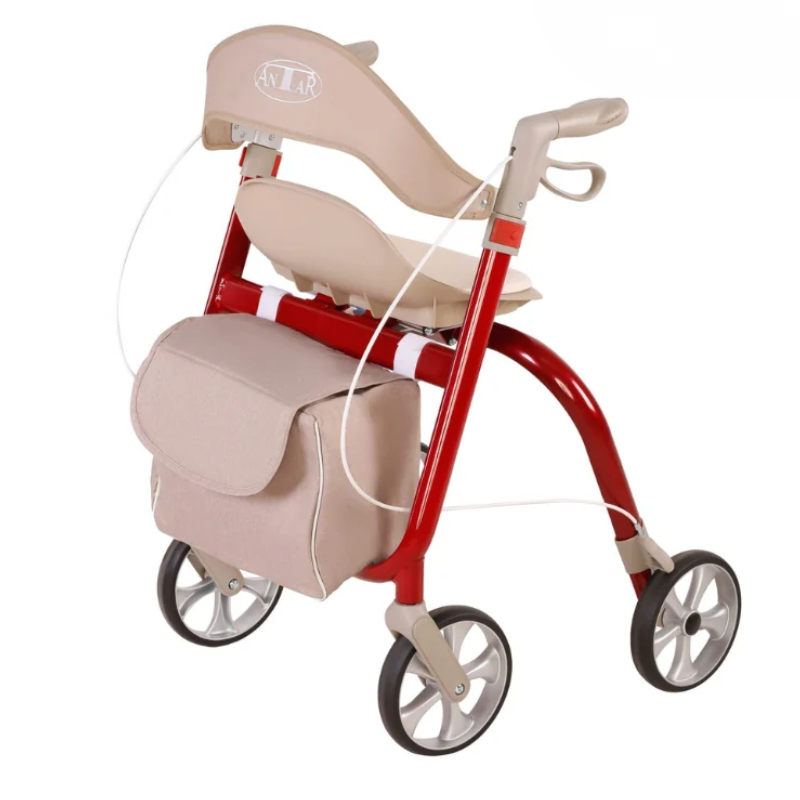
It is worth considering assistive devices that support patients when attempting to stand up and walk, such as walking frames / walkers (choosing the right type for someone with paresis, e.g. a wheeled walker), canes / elbow crutches and standing frames (if required by the patient’s condition).
Small Accessories for Hand Exercises and Therapy
Daily activity and exercise are essential to regaining independence and mobility.
- Rehabilitation pedal exerciser – a mini exercise bike for arm and leg workouts.
- Resistance bands – help strengthen muscles and improve flexibility.
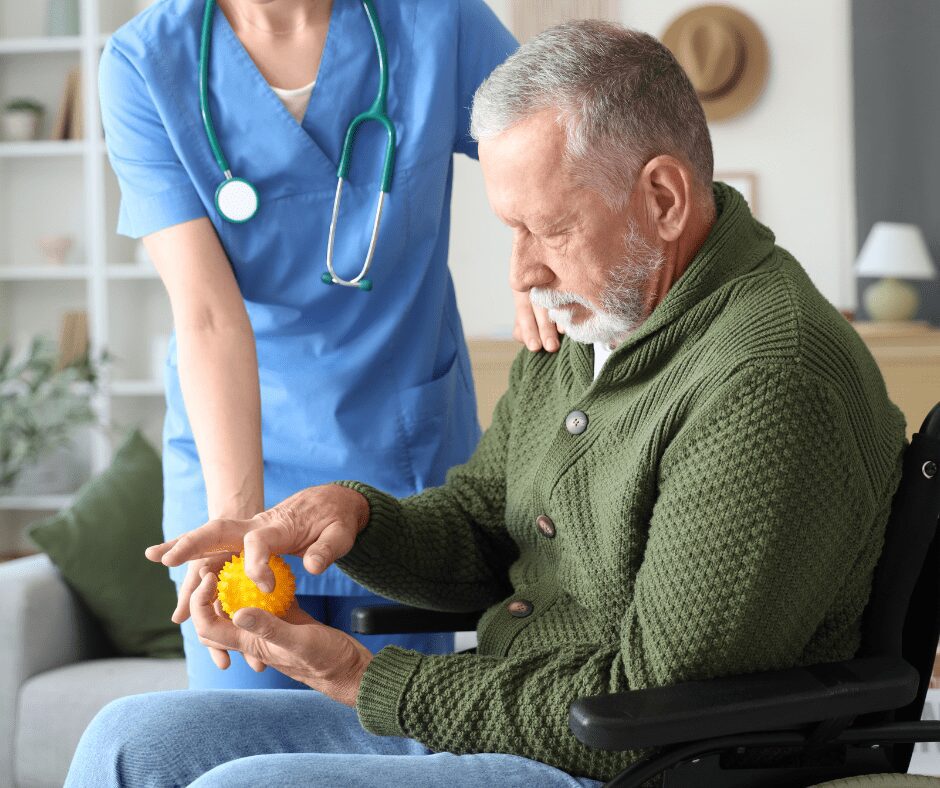
- Therapy balls and putty – support grip training and improve hand function.
- Sensory cushions and balance discs – used for balance and stability exercises.
- Mirror therapy mirror – a method of stimulating brain activity in patients with paresis.

Equipment to Support Independence After a Stroke: Bathroom Safety and Everyday Activities
Bathroom safety and the ability to perform basic everyday activities independently are extremely important for stroke survivors – not only for their physical comfort but also for their mental well-being and motivation. Being able to wash, use the toilet or prepare a simple meal independently helps patients regain a sense of independence and control over their daily lives. This is why simple accessories and assistive equipment that support self-care are so important, including grab bars, shower chairs, raised toilet seats and specially adapted cutlery.
Bathroom and Toilet
- Shower chair – provides stability and safety while showering.
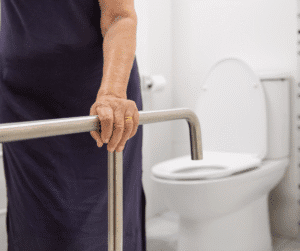
- Grab bars and support rails – assist with sitting down and standing up.
- Raised toilet seat – makes using the toilet easier.
- Non-slip mat – helps minimise the risk of falls.
Everyday Activities
- Adaptive cutlery – features thicker, non-slip handles for easier gripping and use.
- Reaching aids and grabbers – allow users to pick up objects without bending down.

Article Author
MSc in Physiotherapy Bartosz Witczak
Medical Equipment Specialist