Ageing doesn’t have to mean giving up the activities that bring joy and a sense of independence.
It can be a time of peace, well-being and mindful self-care. All it takes is a few simple habits and the support of the right tools.
Healthy ageing is about the little things we do every day that make a big difference, both for older adults and their caregivers.
1. Physical Activity – The Best Medicine Without a Prescription
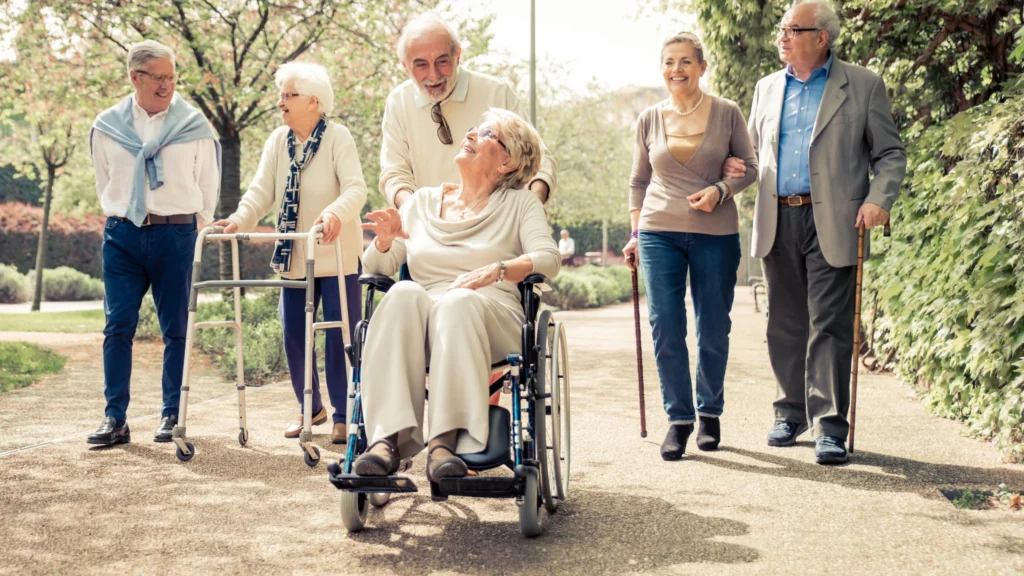
Regular physical activity is key to maintaining fitness and well-being as we age. It doesn’t mean strenuous exercise, but simply staying active in a way that suits your abilities.
Activities to try:
- Daily walks – even 15–20 minutes a day can improve circulation and boost your mood.
- Home exercises – such as stretching, gentle squats while holding onto a chair for support, or lifting your arms with light weights or water bottles.
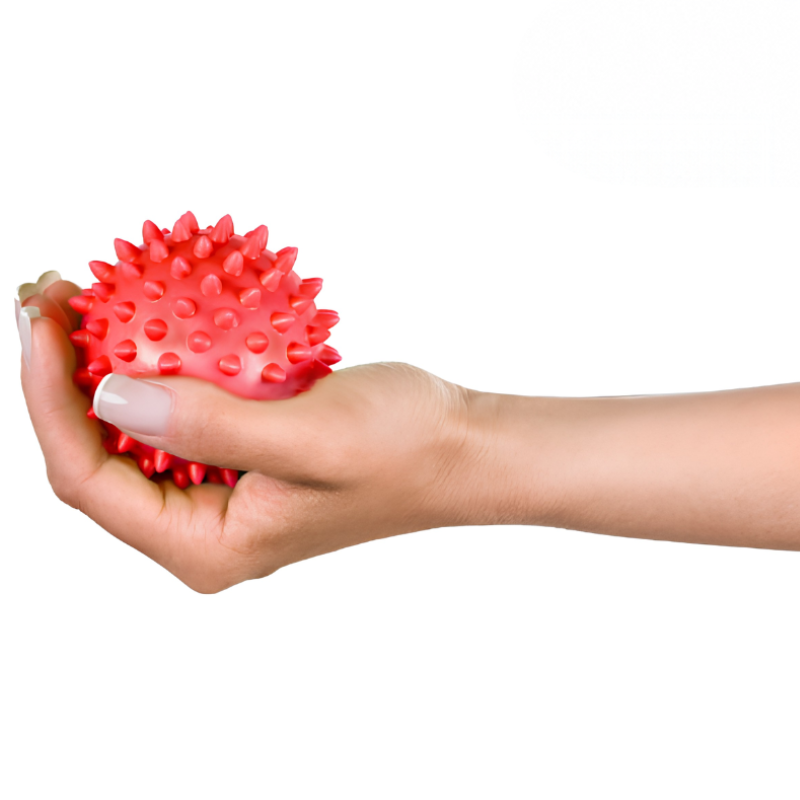
- Exercises with rehabilitation equipment – exercise balls, resistance bands and arm and leg pedal exercisers help strengthen muscles safely.
For caregivers: Encourage physical activity without putting pressure on the person. Even a few minutes of movement is a step in the right direction.
2. Staying Hydrated – A Small Habit That Makes a Big Difference
Older adults often experience a reduced sense of thirst compared to younger people, making them more susceptible to dehydration. This can lead to headaches, weakness and even balance problems.
Helpful tips:
- Drink small amounts of water frequently, e.g. half a glass every hour.
- Choose soups, sugar-free fruit drinks and herbal teas.
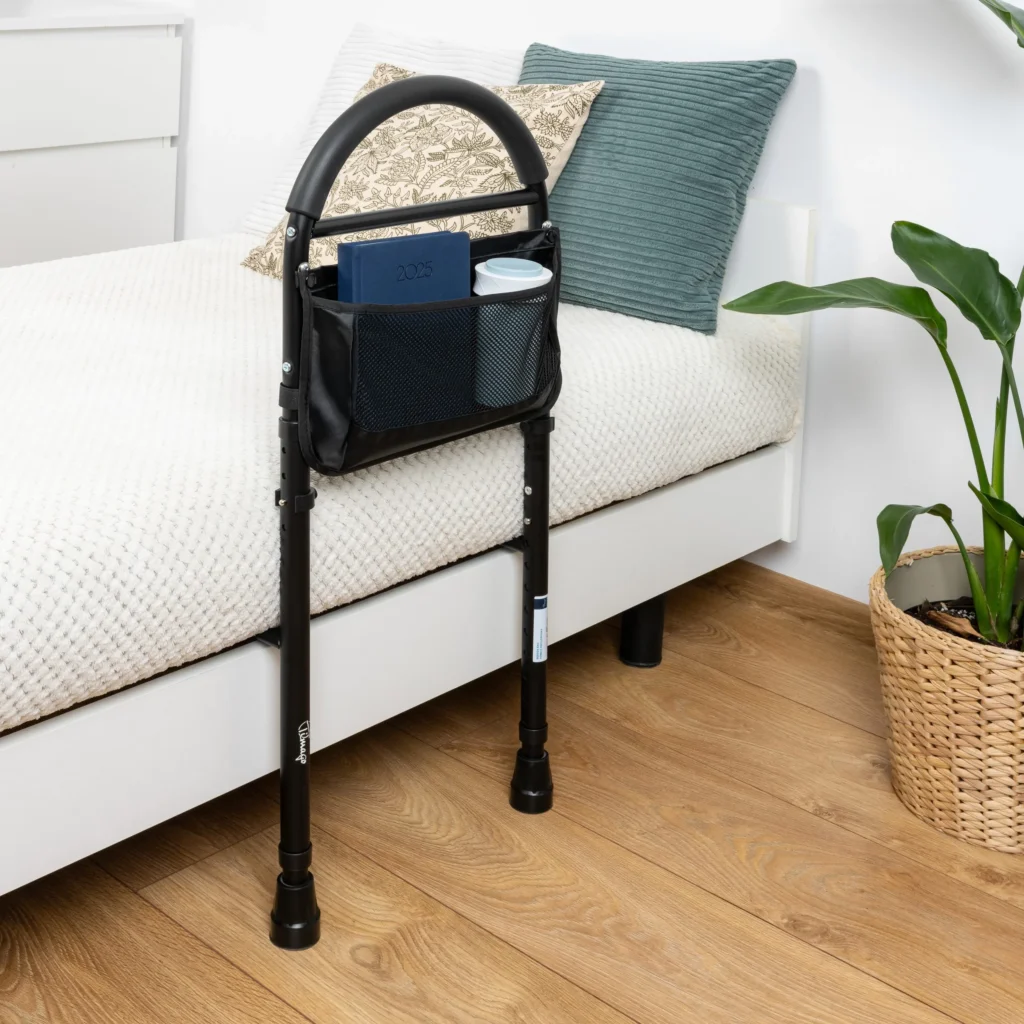
- Keep a water bottle or handled cup by the bed for easy access.
For caregivers: Remind older adults to drink regularly and set alarms or leave notes as reminders – these simple measures can make a real difference!
3. Healthy Eating – Keeping It Simple and Balanced
There’s no need to count calories or follow a restrictive diet. Simply aim for meals that are colourful, fresh and easy to digest.
Simple dietary habits that make a difference:
- Include vegetables or fruit in every meal.
- Choose wholegrain products, lean meat, fish, eggs and legumes.
- Limit salt and sugar, as excessive amounts can affect blood pressure and energy levels.
- If chewing or swallowing is difficult, specialised tableware and cutlery for older adults can help (e.g. lightweight, non-slip plates and spouted cups).
For caregivers: Prepare meals together whenever possible – it’s a great way to encourage engagement, stay active and enjoy meaningful conversations.
4. Looking After Emotional Well-Being
Loneliness, reduced activity and health limitations can often affect emotional well-being.
That’s why having a sense of purpose and maintaining social connections are just as important as staying physically active.
Ways to support emotional well-being:
- Maintain a daily routine – try to get up, eat meals and rest at similar times each day.
- Stay connected – talk to family, neighbours or a therapist, either in person, over the phone or online.
- Listen to uplifting music, sing or enjoy audiobooks.
- Practise mindfulness or take a few moments each day to reflect on things you are grateful for – these simple habits can support mental well-being.
For caregivers: Pay attention to changes in mood and behaviour. Apathy, loss of appetite or withdrawal from daily activities may indicate a need for professional psychological support.
5. Quality Sleep – Essential for Recovery and Well-Being
As we age, sleep tends to become lighter, and difficulties falling asleep become more common. That’s why it’s important to focus on sleep comfort and good sleep hygiene.
Helpful ways to improve sleep:
- Maintain a consistent bedtime routine.
- Avoid screens and heavy meals in the evening.
- Choose a comfortable bed with a suitable mattress and an orthopaedic pillow.
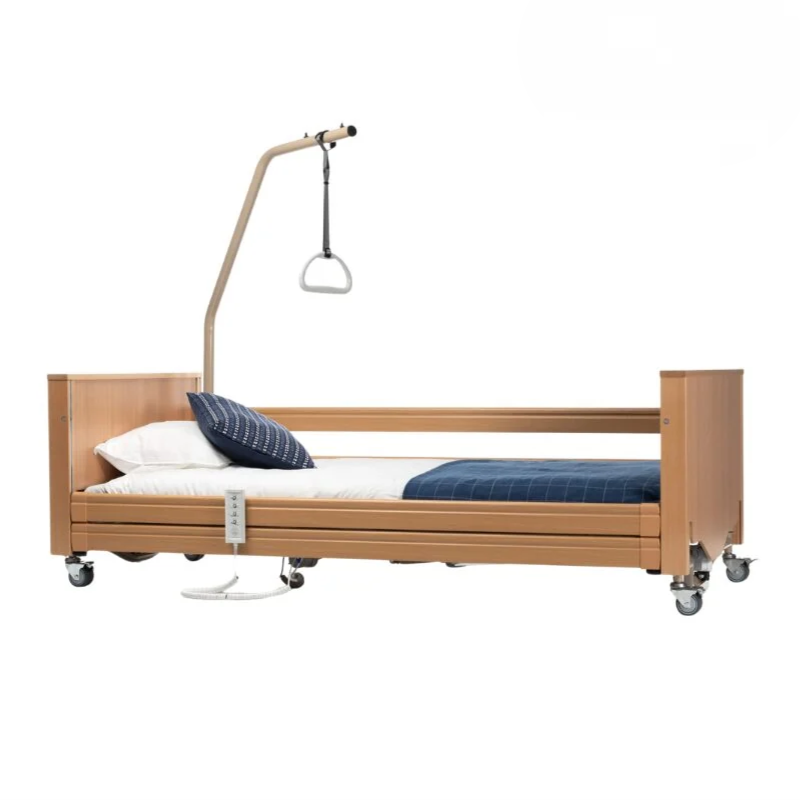
- For people with limited mobility, adjustable rehabilitation beds or bed safety rails can improve safety and independence.
For caregivers: remember the little rituals – a cup of warm tea, soothing music and a conversation.

6. Brain Training – Exercises to Keep Your Mind Young
Just like muscles, the brain needs regular exercise. Even a few minutes a day can improve memory, concentration and reaction time. Social interaction is equally important, as it has a positive effect on well-being and cognitive function.
Proven ways to keep your mind active:
- Solving crosswords, Sudoku and picture puzzles
- Learning new words, recipes or simple facts
- Listening to podcasts, watching films and discussing them
- Taking part in social and board games, such as draughts, dominoes, memory games, Uno or traditional card games.
Regular participation in social games stimulates memory, improves reaction time and logical thinking, while also helping to build social connections. Playing together boosts mood and reduces feelings of loneliness, which often affect older people.

7. Safety and Comfort at Home
The home should be a place of comfort and safety, not a source of danger. That’s why it’s worth making a few simple changes to improve an older person’s safety and independence.
Proven solutions:
- Grab rails and handrails in the bathroom and by the stairs.
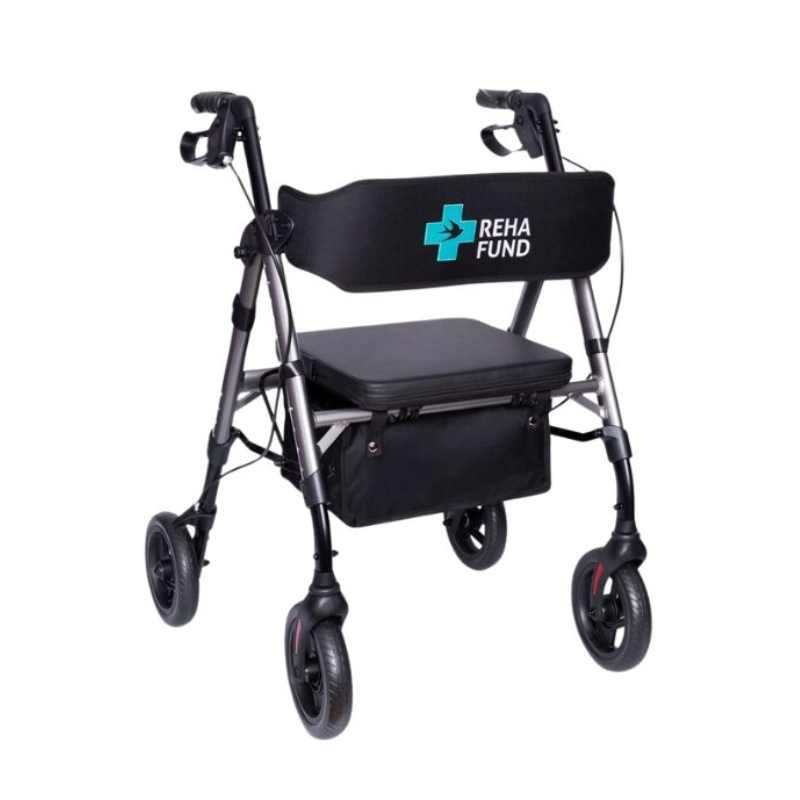
- Non-slip mats and rollators with seats.
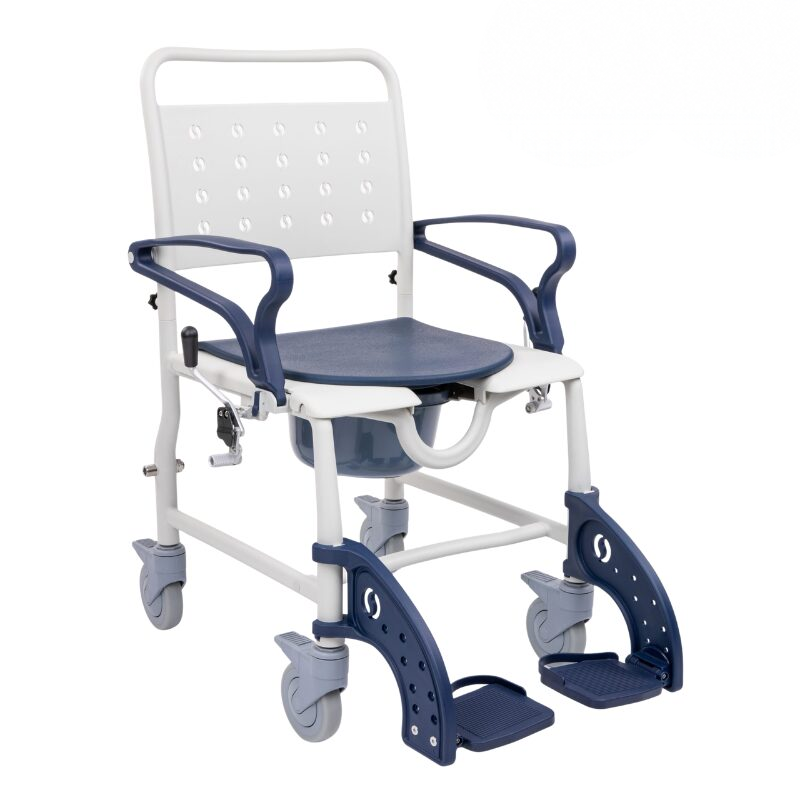
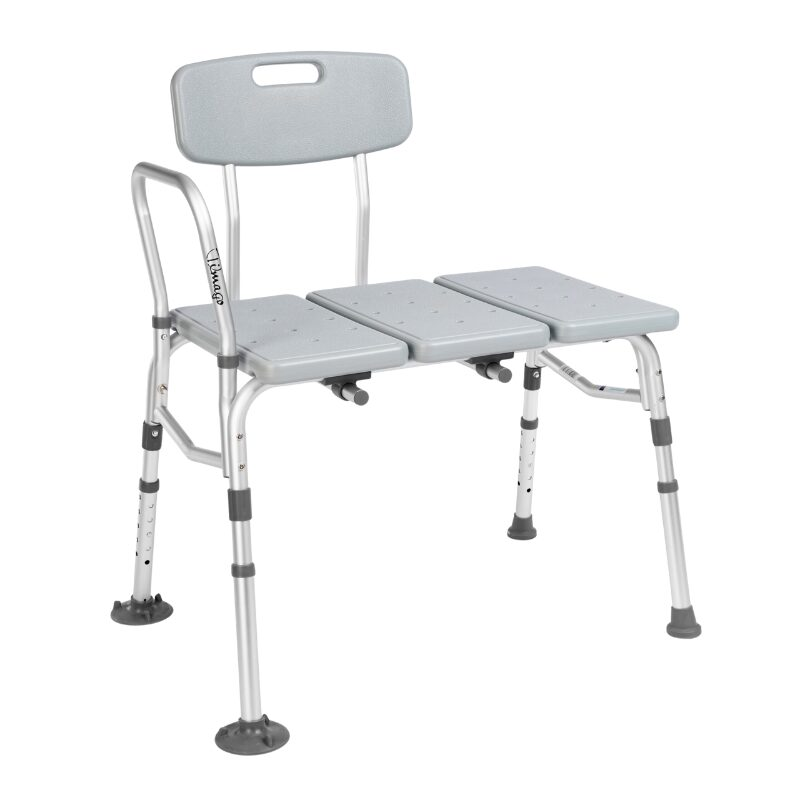
- Commode chairs, patient lifts and shower seats.
- Good night-time lighting and the removal of thresholds.
Summary
Healthy ageing is about small, everyday choices that support the body, mind and sense of security.
Warto pamiętać:
- ruch to lek,
- woda to energia,
- sen to regeneracja,
- relacje to życie.
Worth remembering:
- Movement is medicine.
- Water is energy.
- Sleep is restoration.
- Relationships are what make life meaningful.
And when combined with the right rehabilitation and medical equipment, everyday life becomes easier and more comfortable – for older adults and their caregivers alike.