
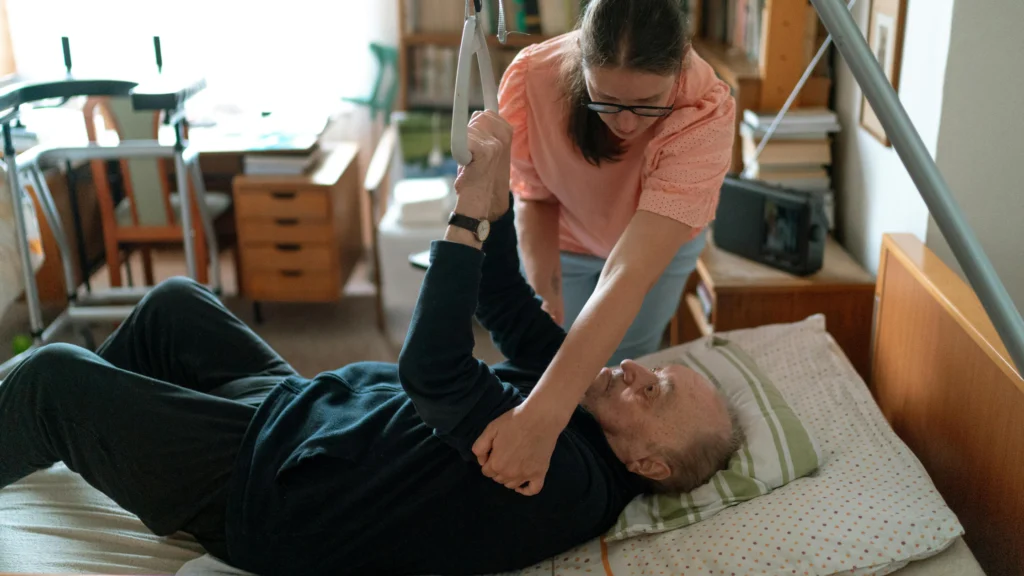
Why Is a Rehabilitation Bed So Important?
Caring for a chronically ill or bedridden person at home is a major challenge – physically, emotionally and logistically. Everyday activities such as feeding, personal care and repositioning can be extremely difficult without the right equipment.
That is why a rehabilitation bed is not a luxury but often an essential support for both the patient and the caregiver.
Modern medical beds not only improve comfort while lying down but also help prevent health complications, such as pressure sores and circulatory problems, while reducing the physical strain on caregivers during everyday care activities.
When Should You Consider Purchasing a Rehabilitation Bed?
In practice, a rehabilitation bed should be provided at home when:
- the patient spends most of the day lying down, for example after a stroke, an injury or due to neurological conditions,
- there is a risk of developing pressure sores and frequent repositioning is required,
- the caregiver has limited physical strength or is caring for the patient alone,
- special therapeutic positions are needed (Trendelenburg, Reverse Trendelenburg or sitting position),
- patient safety and comfort are priorities, along with making caregiving tasks more ergonomic.
In such situations, a rehabilitation bed is no longer just an option – it becomes an invaluable aid in everyday life.
Key Features of Rehabilitation Beds – What You Should Know
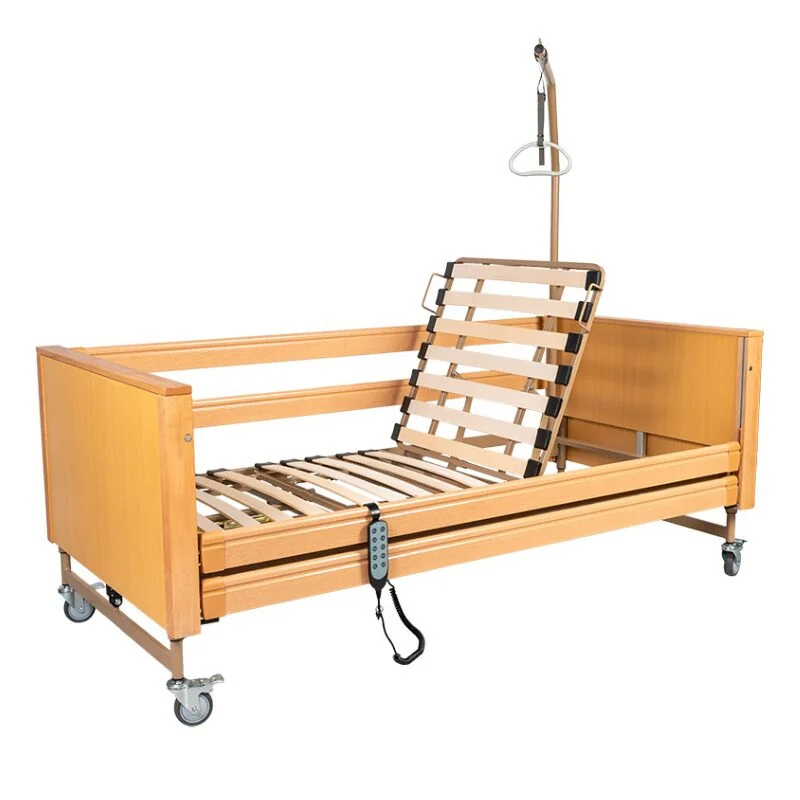
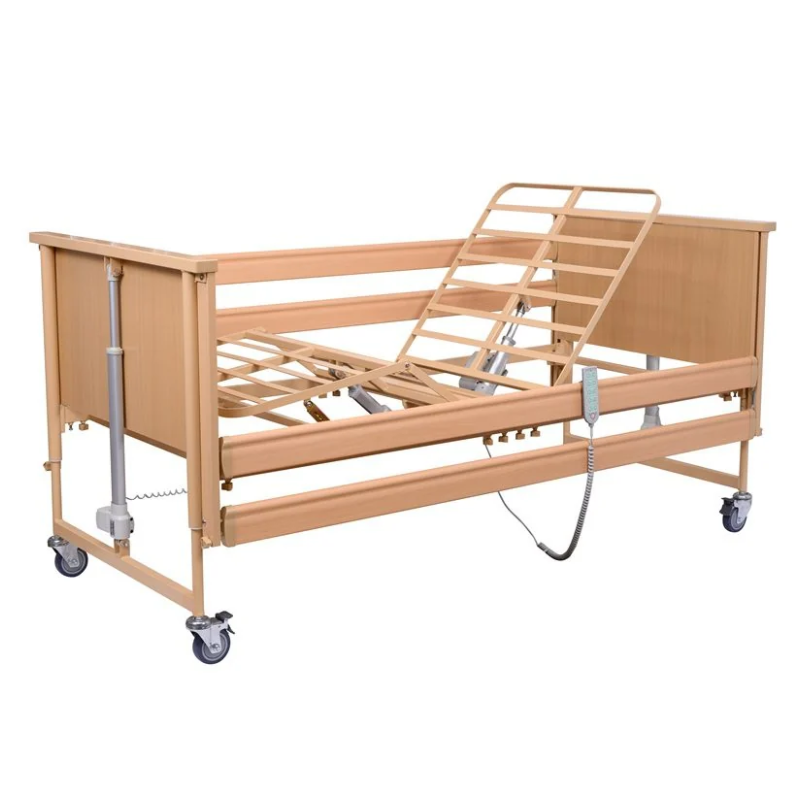
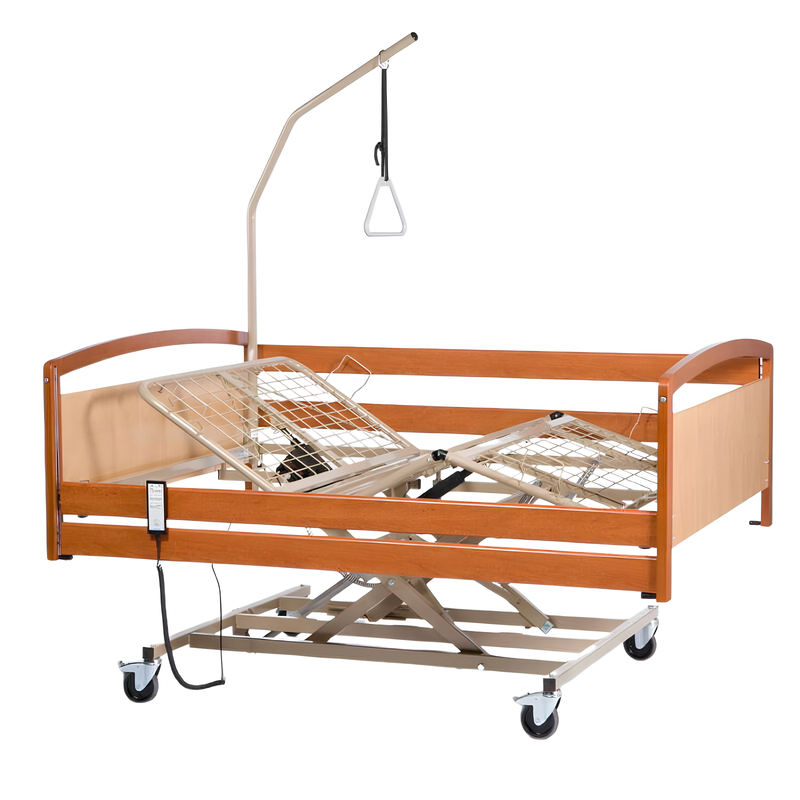
| Rehabilitation Bed Feature | Description and Application | Benefits for Patients and Caregivers |
|---|---|---|
| Bed Height Adjustment | Electric or hydraulic raising and lowering of the entire bed. | Makes it easier to transfer patients from a wheelchair or chair and reduces strain on the caregiver’s spine. |
| Backrest Adjustment (Head Section) | Allows the patient to be positioned in a semi-reclined or seated position. | Makes eating and reading easier, improves breathing and increases comfort while lying in bed. |
| Leg Section Adjustment (Lower Legs) | Raises the legs to improve venous circulation. | Reduces swelling, improves blood circulation and supports recovery. |
| Auto-Contour Function | Simultaneous, synchronised raising of the back and leg sections. | Prevents the patient from sliding down and improves positional stability. |
| Trendelenburg / Reverse Trendelenburg Position | Tilting the entire bed towards the head or feet. | Used in respiratory and circulatory therapy and during medical procedures. |
| Lateral Tilt / Turning Function | Allows the patient to be tilted sideways or automatically repositioned. | Makes personal care, repositioning and patient transfers easier and less physically demanding. |
| Electric Controls (Handset or Control Panel) | An intuitive handset allows adjustment of all bed sections. | Gives patients greater independence and makes the caregiver’s work easier. |
| Side Rails | Foldable or removable safety rails fitted along the sides of the bed. | Help prevent falls and ensure patient safety. |
| Trapeze Bar with Handle | Allows patients to pull themselves up independently. | Helps patients change position and supports rehabilitation and physical activity. |
| Lockable Castors | Allow the bed to be moved and securely locked in a stable position. | Make cleaning and caregiver access easier while increasing mobility. |
| IV Pole / Accessory Holders | Holder for hanging IV drips, bags and other accessories. | Allows treatment to be administered without the need for additional stands. |
| Night Light / Handset Lock | LED light or button lock on the handset. | Improves safety at night and prevents accidental changes to bed settings. |
| Bariatric Construction | Reinforced bed designed for patients with a higher body weight. | Ensures stability, safety and equipment durability. |
Benefits of a Rehabilitation Bed – Why Is It Worth Investing in One?
- ✅ Patient Comfort and Safety – adjustable positioning, side rails and stable support
- ✅ Prevention of Complications – reduced risk of pressure sores and circulatory problems
- ✅ Easier Caregiving – less lifting and bending
- ✅ Therapeutic Support – the ability to use medical and rehabilitation positioning options
- ✅ Expandable Design – the option to add accessories such as IV poles, support handles and night lighting
How to Choose the Right Rehabilitation Bed?
Before purchasing, it is worth considering several key features:
- Adjustment Range – the wider the adjustment range, the greater the comfort.
- Bed Weight Capacity – choose a bariatric model for patients with a higher body weight.
- Electric Controls – an intuitive handset with a button lock is a standard feature.
- Safety – side rails, wheel locks and medical certifications.
- Servicing and Upgrade Options – important for long-term use.
Summary – Comfort, Dignity and Peace of Mind Every Day
Caring for a loved one is an act of love, but it also comes with daily challenges, effort and responsibility. A well-chosen rehabilitation bed can make a real difference in everyday life – not only for the patient but also for the caregiver.
It is more than just a piece of furniture. It is a space where patients can regain a sense of safety, comfort and independence. For caregivers, it brings peace of mind, confidence and the strength to focus on what truly matters: being close to their loved ones and sharing precious moments together.